
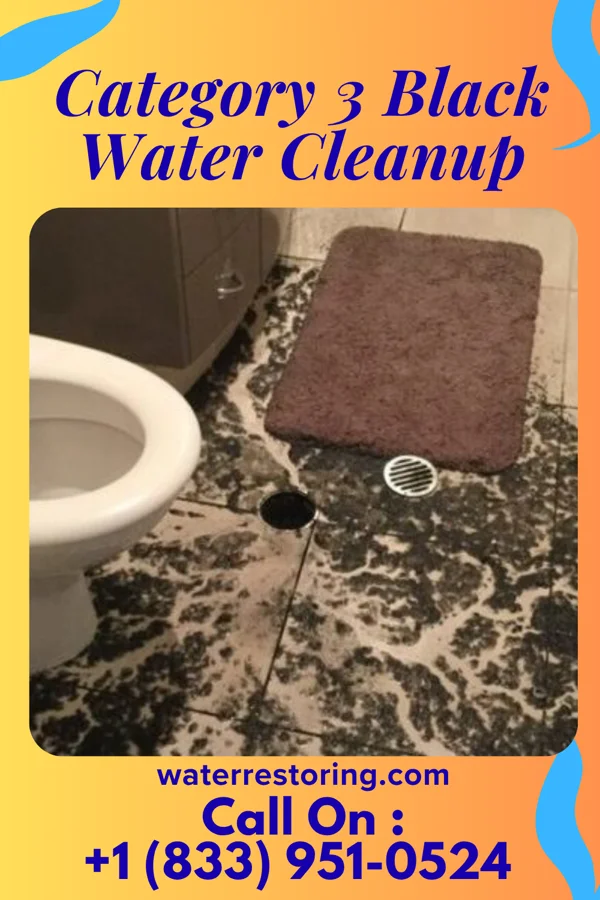
Why Category 3 Demands HAZMAT Response in East Niles
Most water damage emergencies in East Niles start with sewer lateral collapse during atmospheric river rainfall events. A close second is hillside septic system failure during saturated soil conditions. From the second water touches the property, every minute changes what gets saved and what gets ripped out.
East Niles experiences mild, wet winters and dry summers, which can lead to prolonged saturation of soil and increased risk of septic and sewer system failures. The region is also prone to atmospheric river events that exacerbate black water contamination risks.
Most category 3 black water cleanup calls in East Niles come from sewer lateral collapse during atmospheric river rainfall events. Running a close second is hillside septic system failure during saturated soil conditions. Once water sits unaddressed past 24 to 48 hours, microbial growth starts and the job gets a lot more expensive.
For public guidance on the health effects of mold after prolonged water exposure, see the EPA mold and health page.